24×7 – 365 Days | orders@courierstoindia.com
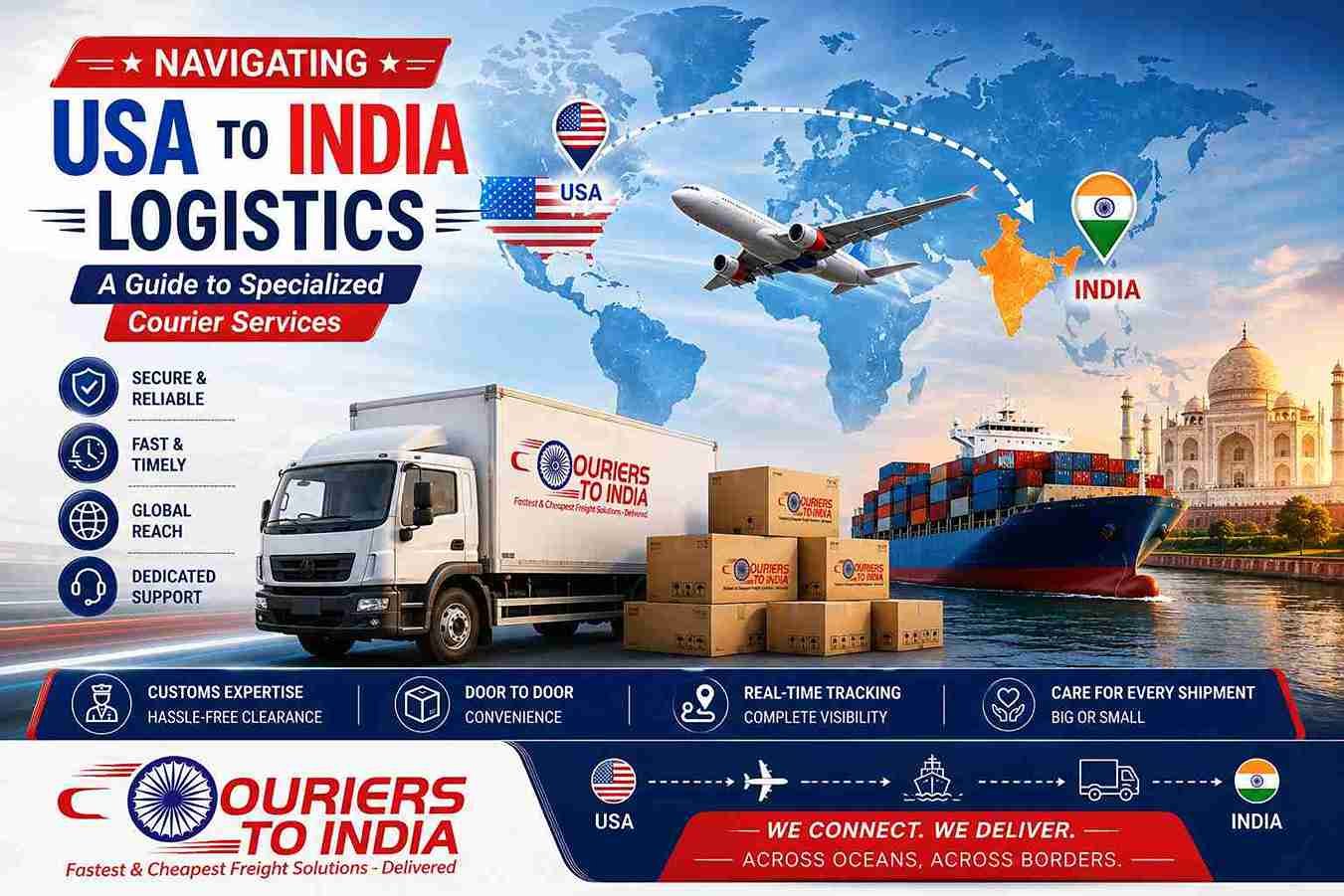
The USA-to-India shipping corridor serves a diverse range of customers, including businesses, researchers, students, NRIs, healthcare organizations, manufacturers, tourists, and individuals sending personal shipments.
While international courier services have become increasingly accessible, shipping parcels across borders remains a process influenced by customs regulations, documentation requirements, transportation restrictions, and import compliance procedures.
Not every shipment fits within the framework of standard parcel delivery. Certain goods require specialized handling due to their nature, value, urgency, or regulatory requirements. This includes chemical samples, laboratory materials, high-value academic documents, medical shipments, industrial components, and other cargo that demands additional compliance and documentation support.
Specialized service is not just about sending goods from us to india. It involves understanding shipment-specific regulations, preparing accurate documentation, coordinating with customs authorities when required, and ensuring parcel moves through the supply chain with minimal disruption.
Choosing the right parcel partner can significantly impact customs clearance efficiency, shipping costs, transit visibility, and shipment integrity. For businesses and individuals shipping from the USA to India, selecting a provider with expertise in specialized logistics can help reduce avoidable delays and improve the overall shipping experience.
Big international courier networks have transformed global shipping by creating standardized processes designed to move millions of shipments efficiently. However, shipments that fall outside standard categories often require additional attention that automated systems may not always accommodate.
When a shipment is held for customs review, additional documentation or clarification may be requested by authorities. In such situations, shippers often require direct assistance to understand requirements, submit supporting documents, and resolve compliance-related queries promptly.
For specialized shipments, proactive communication can become just as important as transportation itself.
Certain categories of cargo require documentation beyond standard shipping labels and invoices. Examples may include Material Safety Data Sheets (MSDS), technical specifications, import permits, laboratory declarations, or institution-specific documentation.
If documentation requirements are not identified early in the shipping process, delays can occur during customs processing.
Major courier networks are designed around efficiency and consistency. While this approach works exceptionally well for routine shipments, specialized logistics often require shipment-specific evaluation, compliance verification, and individualized support.
The difference is often between a standardized workflow and a tailored logistics strategy designed around the unique requirements of a shipment.
A specialized courier service provider is distinguished not simply by transportation capabilities but by its ability to manage regulatory requirements, documentation complexity, and shipment-specific challenges.
For chemical shipments and other regulated shipping, compliance with applicable air transport regulations is essential. Providers handling dangerous goods should possess the required training, certifications, and procedures necessary to prepare and transport such shipments in accordance with industry regulations.
Proper classification, packaging, labeling, and documentation are critical components of compliant transportation.
Customs processing is one of the most important stages of international shipping. Specialized logistics providers focus on exception management, helping customers respond to documentation requests, customs queries, and shipment reviews when they arise.
Rather than simply tracking a shipment, they assist in addressing issues that could impact clearance timelines.
Different industries have different logistics requirements.
Medical and pharmaceutical shipments may require strict documentation controls. Industrial and technology shipments may involve technical product descriptions and compliance verification. Academic institutions often require secure handling of important certificates, transcripts, and research materials.
A specialized provider understands the operational requirements of these sectors and can support shipments accordingly.
Visibility extends beyond knowing where a shipment is located.
Specialized logistics solutions often emphasize greater transparency throughout the shipping process, including documentation milestones, customs status updates, and shipment progress from origin to final delivery.
This level of visibility helps shippers anticipate potential delays and respond quickly when additional action is required.
Different shipping requirements call for different logistics solutions. Understanding the strengths of each service model can help shippers make informed decisions.
Major international carriers are often well-suited for:
Their extensive infrastructure and global reach make them a practical choice for many standard shipping needs.
Specialized providers are often preferred when shipments involve:
These providers focus on addressing shipment complexities that may require greater technical expertise and personalized support.
| Criteria | Global Courier Networks | Specialized Logistics Providers |
| Customs Support | Standardized support processes | Shipment-specific assistance and coordination |
| Speed | Strong express delivery capabilities | Depends on cargo type and compliance requirements |
| Compliance Capability | Suitable for standard shipments | Designed for regulated and specialized cargo |
| Cost Efficiency | Effective for routine shipments | Value-driven for complex shipments requiring expertise |
| Documentation Guidance | General support | Detailed shipment-specific guidance |
| Exception Management | Limited customization | Greater focus on issue resolution and intervention |
Documentation plays a critical role in international logistics. Even a properly packaged shipment can experience delays if the required paperwork is incomplete or inaccurate.
Indian import regulations may require recipient identification documents during customs clearance. Depending on shipment type and recipient category, documents such as PAN, Aadhaar, Passport, or other approved identification may be requested.
Providing accurate information in advance can help streamline processing.
Commercial invoices provide customs authorities with important information regarding shipment contents, value, quantity, and purpose.
For certain shipments, a Certificate of Origin may also be required to establish the country of manufacture or export.
Chemical products, laboratory materials, and certain industrial goods may require a Material Safety Data Sheet (MSDS).
This document helps carriers and authorities understand product composition, handling requirements, and transportation classifications.
Import duties and taxes are among the most common causes of shipment delays.
Customs authorities may assess charges based on product classification, declared value, shipment purpose, and applicable regulations. Accurate declarations and supporting documentation help reduce the likelihood of customs-related complications.
International shipments are exposed to multiple handling points and varying environmental conditions during transit.
Using durable packaging materials, appropriate cushioning, and shipment-specific protective measures can help maintain cargo integrity throughout the journey.
Product descriptions should be precise and complete.
Where applicable, proper HS Code classification can support smoother customs processing and reduce the risk of additional verification requests.
Transit times can be influenced by customs processing schedules, public holidays, documentation reviews, and operational factors.
Building reasonable flexibility into shipping schedules can help manage expectations and reduce disruptions for time-sensitive shipments.
Successful USA-to-India shipping requires more than transportation capacity. It requires an understanding of documentation requirements, customs procedures, regulatory compliance, and shipment-specific risks.
For routine shipments, standard courier networks may provide an efficient solution. However, when cargo involves regulatory requirements, specialized documentation, chemical classifications, or business-critical deliveries, expertise becomes an important consideration.
Rather than evaluating providers solely on speed or price, shippers should assess their ability to manage compliance, support customs clearance, and guide the shipping process. For high-stakes or regulated shipments, selecting a logistics partner with specialized expertise can help reduce uncertainty and support a smoother delivery experience from the USA to India.
